
Master Your Plate: Science-Backed Portion Control
Learn how proper serving sizes and mindful portions can transform your relationship with food. Discover evidence-based strategies for healthier eating habits.
Impact by the Numbers
Understanding portion control can lead to meaningful changes in how you nourish your body
of adults underestimate portion sizes in restaurant meals
increase in recommended plate size over the past 20 years
of people who track portions report improved digestion
minutes minimum recommended for mindful meal times
Why Proper Portions Matter for Your Health
Understanding and practising proper portion control is one of the most practical ways to support your body's nutritional needs. Over-serving yourself can lead to overconsumption of calories, sugar, and sodium — even when eating fundamentally healthy foods. By learning what an actual serving size looks like, you gain control over your nutrition without the need for restrictive dieting.
Proper portions help you feel satisfied longer, reduce unnecessary food waste, and make meal planning more budget-friendly. When you understand serving sizes, you can make confident choices whether you're cooking at home or dining out, transforming how you approach food throughout your day.
- Better Satiety: Properly portioned meals with balanced macronutrients keep you satisfied longer and reduce cravings
- Improved Digestion: Right-sized meals are easier for your digestive system to process efficiently
- Sustainable Habits: Portion awareness builds lifelong eating skills, not temporary restrictions
- Food Freedom: Know exactly how much you can enjoy your favourite foods without guilt
Visual Serving Size Guide
See practical examples of what proper portions actually look like with these real-world serving guidelines
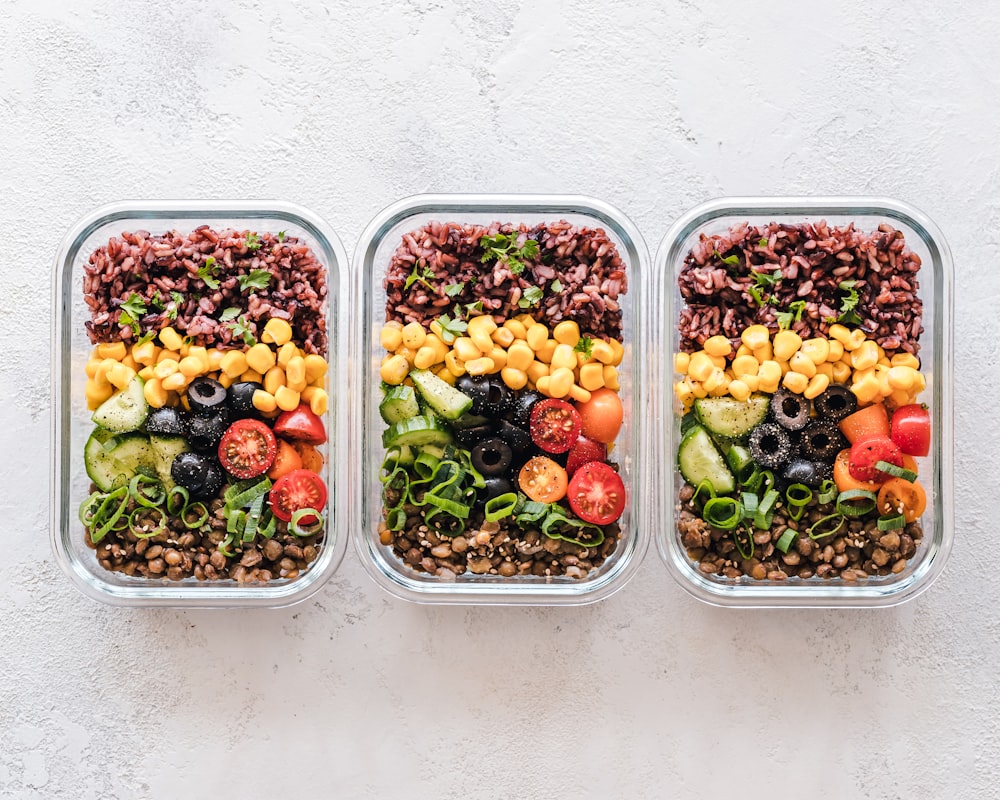
Protein Portions
A serving of lean protein should be about the size of your palm — roughly 120g or 4 oz. This applies to chicken, fish, tofu, and lean beef.
Recommended: 2-3 servings daily
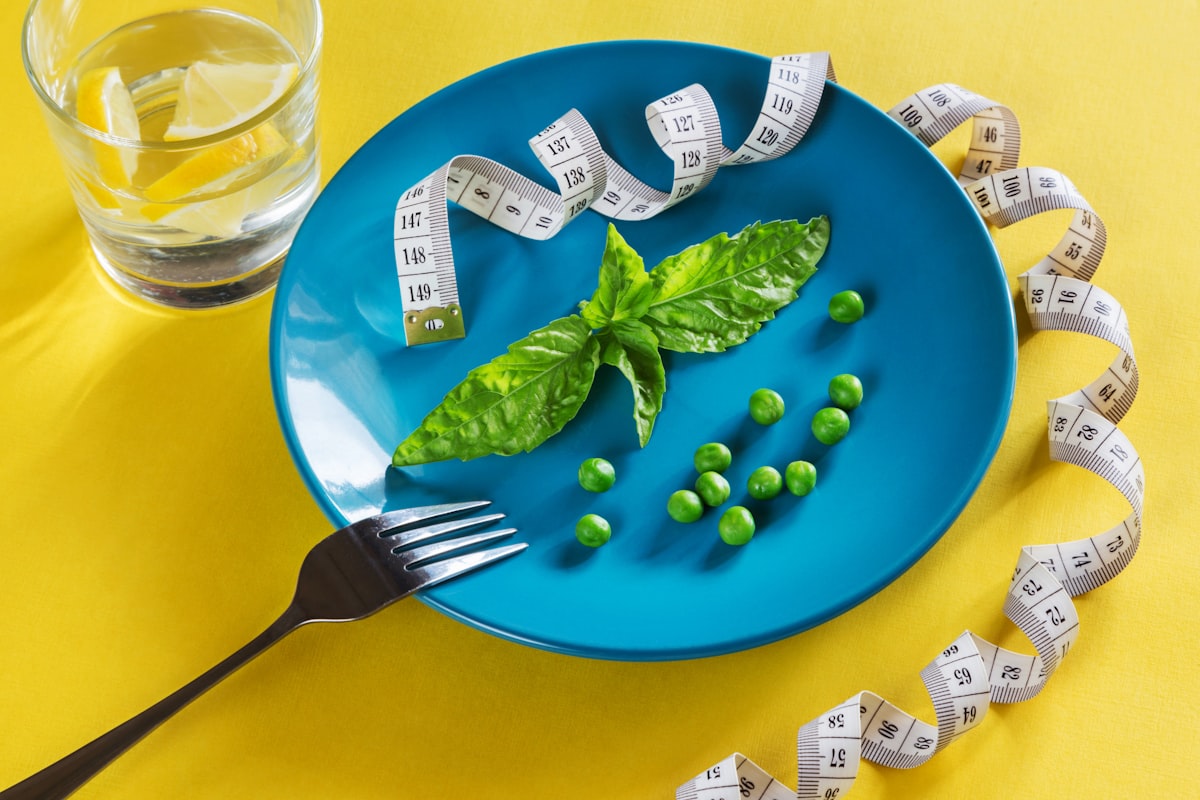
Carbohydrate Portions
A single serving of grains or starchy vegetables equals roughly one cupped hand — about 150g cooked rice, pasta, or one medium potato.
Recommended: 4-6 servings daily
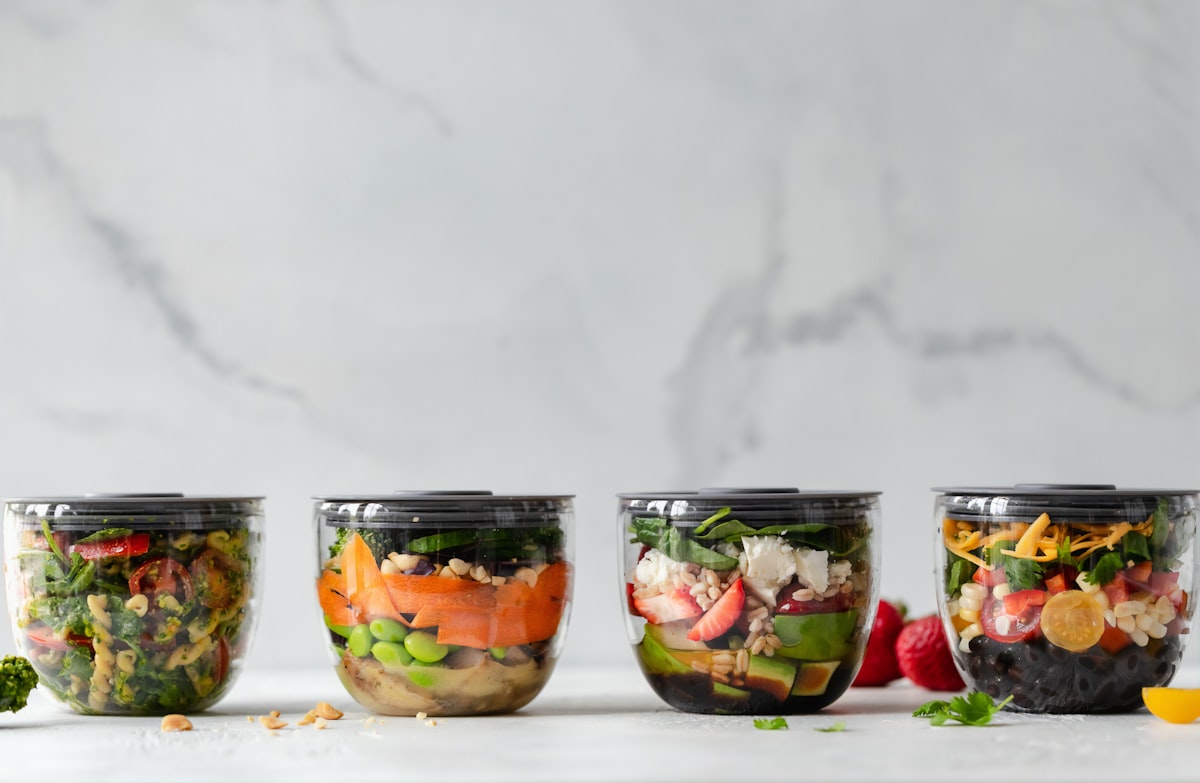
Vegetable Portions
Fill two open hands with raw vegetables or one fist with cooked vegetables — this visual equals one serving of about 80g of leafy greens.
Recommended: 5-9 servings daily
Healthy Fat Portions
Healthy fats like nuts, seeds, and oils should fit in your thumb — approximately 14g or 1 tablespoon of oil, or one small handful of nuts.
Recommended: 2-3 servings daily
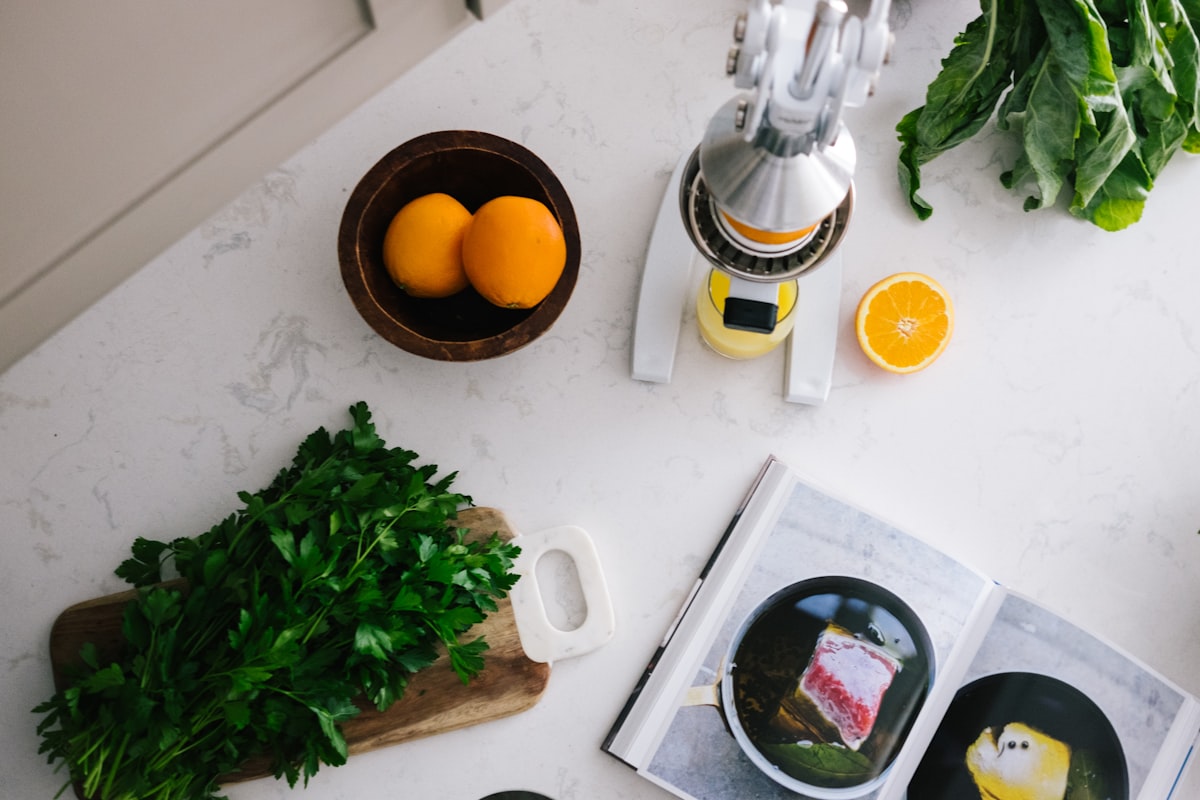
Dairy Portions
One serving of dairy equals one cup of milk or yoghurt (240ml) or one matchbox-sized piece of cheese (40g). Choose lower-fat options when possible.
Recommended: 2-3 servings daily
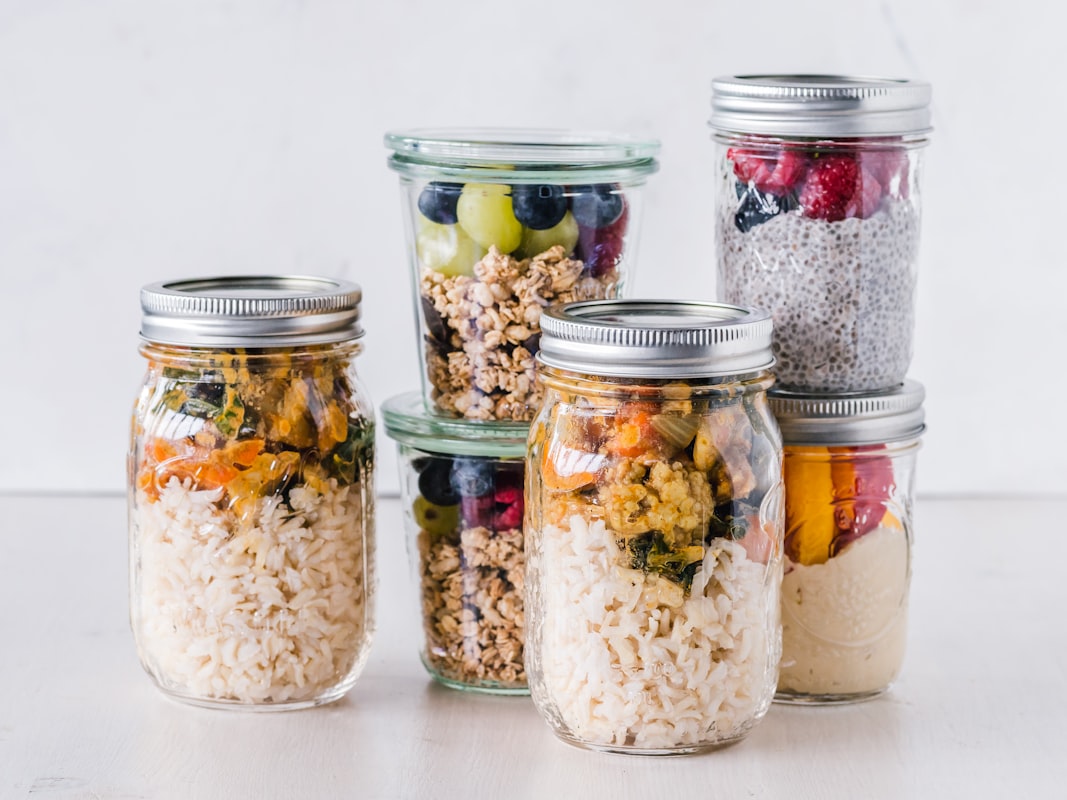
Fruit Portions
One serving of fruit is roughly one medium piece (like an apple or orange), one cup of berries, or a small handful of dried fruit — about 120g fresh fruit.
Recommended: 2-4 servings daily
Your 5-Step Journey to Better Portions
Transform your eating habits with this practical, step-by-step approach to mastering portion sizes
Assess Your Current Habits
Start by observing how much you typically eat without making changes. For 3-5 days, write down meal sizes and note how full you feel afterwards. This baseline awareness is essential before making improvements. Notice patterns like eating larger portions at certain times of day or when stressed.
Learn Your Personal Serving Sizes
Use hand-based measurements (palm, fist, thumb) to understand what portions look like for you specifically. Everyone's portions differ slightly based on activity level, age, and goals. Measure a few meals with actual cups and scales, then match them to your hand — this trains your visual estimation skills for real-world eating situations.
Slow Down and Savour Your Meals
Aim to spend at least 20-30 minutes eating each main meal. Put your fork down between bites, chew thoroughly (aim for 30-40 chews per bite), and engage fully with your food. This allows your brain's satiety signals to catch up with your eating, helping you recognise fullness earlier and naturally eat appropriate portions.
Use Smaller Dishware and Plating Strategies
Switch to smaller plates, bowls, and serving utensils. A 230mm plate instead of a 300mm plate naturally reduces portions by 20-30% without feeling restricted. Plate vegetables and protein first, then add grains, so half your plate is vegetables — this visual strategy ensures balanced, appropriately-sized meals automatically.
Track and Adjust as Needed
Weekly, check in with how you feel energy-wise, whether you're satisfied between meals, and how your clothes fit. If you're always hungry, portions might need adjusting upward. If you feel bloated, consider reducing. This isn't about perfection — it's about finding what helps your body feel its best. Adjust portions based on activity level and season.
Tools & Resources Built for Success
Access practical guides, visual references, and educational content to support your portion-control journey
Comprehensive Portions Guide
Our detailed reference guide covers serving sizes for over 150 common foods, including restaurant meals, packaged products, and fresh ingredients. Includes visual diagrams, practical tips, and handouts you can print.
Access GuideHand-Based Measurement System
Learn how to use your hands as a portable portion guide. Palm for protein, fist for vegetables, thumb for fats, cupped hand for carbs. Works anywhere — no scales or measuring cups needed. Personalised for your individual hand size.
Learn SystemMeal Planning Templates
Download ready-made meal plans with pre-calculated portions for various dietary approaches. Includes shopping lists, prep instructions, and nutrition information. Designed by experienced nutritionists for real-world eating.
Request TemplatesProgress Tracking Resources
Track your portion awareness development with simple logs and reflection questions. Monitor energy levels, satiety patterns, and how your body responds to different serving sizes. Monthly review prompts help you stay mindful and adjust as needed.
Start TrackingRestaurant Navigation Guides
Learn strategies for ordering appropriate portions at different restaurant types — casual dining, fine dining, fast food, ethnic cuisines. Includes language for requests, menu-reading tips, and plate-management techniques for dining out confidently.
Restaurant TipsExpert Q&A Archive
Browse answers to hundreds of reader questions about portions, serving sizes, and practical application. Our expert team addresses special situations like pregnancy, athletes, ageing adults, and various dietary preferences. Updated weekly with new questions.
Browse Q&AReal Stories from Real People
How learning proper portions changed the way readers approach food and feel in their bodies
"I always thought I had to eat tiny portions to be healthy, which made me miserable. After learning about proper serving sizes using the hand-based system, I discovered I could actually eat more than I thought — just the right amounts. This guide has completely changed my confidence around food. I'm no longer anxious at meals, and I feel genuinely satisfied."
Sarah Mitchell
Manchester, UK
"As someone who eats out frequently for work, I was constantly unsure if I was overindulging. The restaurant navigation guide is genuinely practical — I now know exactly what to ask for and how to handle large portions. My clothes fit better, I have more energy, and I don't feel guilty enjoying meals anymore. This is sustainable in a way diets never were."
James Rodriguez
London, UK
"I was confused about whether I was eating enough vegetables and protein. The visual serving size guide with actual photos made everything so clear. I switched to a smaller plate, and it's amazing how a simple change like that helped me naturally eat better portions without overthinking. My digestion has improved noticeably, and meal prep feels actually manageable now."
Emma Thompson
Birmingham, UK
Common Questions About Serving Sizes
Find answers to the questions our readers ask most frequently
A serving size is a standardised amount used on nutrition labels — it's a reference point for nutritional information. A portion is the actual amount you choose to eat, which can be different from the serving size. For example, a serving of pasta might be 75g (cooked), but you might portion yourself 150g (2 servings), and that's perfectly fine depending on your needs. Understanding this distinction helps you read labels accurately while still eating what's right for your body.
Absolutely not. Appropriate portions depend on age, sex, activity level, metabolism, and individual goals. An athlete in training needs significantly more food than someone sedentary. A growing teenager needs different amounts than a retired adult. This is why hand-based measurement is so useful — your own hand size scales with your body. Start with the general guidelines but adjust based on how you feel, energy levels, and how your clothes fit. What matters is finding portions that work specifically for you.
Family-style eating can make portion awareness challenging, but several strategies help: serve yourself using the hand-based measurements or a smaller serving spoon, plate your food and step away from the table before eating, or ask others to serve you if you're concerned about over-serving. Also, you can fill half your plate with vegetables first, which naturally creates appropriate proportions. It's perfectly acceptable to take seconds of vegetables or other lower-calorie foods. Most importantly, eat slowly and check in with your fullness — you can always take more if genuinely hungry.
Yes, our guidelines align with recommendations from the UK Department of Health and NHS guidance. However, we provide flexibility because official recommendations are general starting points, not rigid rules. We combine evidence-based serving sizes with practical wisdom about individual variation. Our portions are designed to support balanced nutrition while being realistic for modern life in the UK, including eating out at restaurants and shops. We also provide context about how to adjust portions based on personal circumstances.
Persistent hunger often signals that portions need adjustment or that meals lack something essential. First, ensure you're including protein and fibre at every meal — these nutrients create lasting satiety. Drink water and check if thirst is being mistaken for hunger. You might need larger portions based on your activity level or metabolism. Eating too quickly can also cause hunger signals to be missed. Take 20-30 minutes for meals, eat mindfully, and wait 20 minutes before deciding if you genuinely need more food. If hunger persists after these adjustments, your portions may legitimately need to be larger — that's completely okay.
Get Weekly Portion Tips & Nutrition Insights
Subscribe to our email for recipes, serving guides, and practical eating strategies delivered to your inbox