
Master the Art of Proper Portions
Learn how to understand serving sizes, balance your meals, and make informed decisions about the food you eat. Our comprehensive guide breaks down portion science into practical, everyday strategies.
Why Portion Control Matters
Understanding proper portions is fundamental to maintaining a balanced diet. It helps you enjoy food without guesswork, supports your wellness goals, and teaches you the difference between hunger and habit.
Balance Your Nutrition
Proper portions ensure you consume the right amount of protein, carbohydrates, fats, vitamins, and minerals your body needs daily. Learn how to structure meals that support sustained energy and overall wellness.
Practical Eating Strategies
Master simple techniques for measuring and serving food without scales or complicated calculations. Discover hand-based guides, visual references, and everyday tools that make portion planning intuitive and sustainable.
Informed Food Choices
Understand nutrition labels, serving size declarations on packaging, and how to adjust portions based on your individual needs. Make choices that align with your personal wellness objectives.
Track and Monitor Progress
Learn how to keep simple food records to understand your eating patterns, identify areas for improvement, and celebrate consistent progress. Data-informed awareness builds lasting healthy habits.
Understand Food Groups
Explore recommended portions for vegetables, fruits, grains, proteins, and dairy. Understand how different foods contribute to your daily nutritional needs and how to create balanced, satisfying meals.
Support Long-Term Wellness
Proper portions create a sustainable foundation for lifelong healthy eating. Avoid restrictive approaches and instead develop flexible, enjoyable eating patterns that work with your lifestyle.
5-Step Portion Planning Guide
Follow these proven steps to master portion control and develop intuitive eating habits that last.
Assess Your Baseline
Start by honestly evaluating your current eating patterns. Track what you eat for three to five days without changing anything. Note portion sizes, meal timing, and hunger cues. This establishes your personal baseline and reveals patterns you might not have noticed.
Learn Standard Serving Sizes
Familiarize yourself with official serving size recommendations for different food groups. A serving of meat is typically three ounces, a grain serving is one slice of bread or half a cup of cooked rice, and vegetables should fill half your plate. Use visual comparisons: a serving of protein matches your palm, a serving of carbs fits in your cupped hand.
Build Balanced Meals
Create meals that include protein, whole grains or starchy vegetables, non-starchy vegetables, and healthy fats. Use the plate method: fill half your plate with vegetables, one quarter with protein, and one quarter with whole grains. This simple framework ensures nutritional balance without complex calculations.
Practice Mindful Eating
Eat without distractions, chew slowly, and listen to your body's hunger and fullness signals. It takes about twenty minutes for your brain to register satiety. Start with appropriate portions, eat slowly, and stop when comfortably full rather than stuffed. This reconnects you with natural appetite cues.
Review and Adjust
After two to three weeks of following portion guidelines, reassess how you feel. Notice changes in energy, digestion, and overall wellness. Adjust portions slightly based on your individual response, activity level, and goals. Portion control should feel sustainable, not restrictive or depriving.
Visual Portion Size Reference
Use these easy-to-remember visual comparisons to estimate portions without scales or measuring cups.

Protein Portions
A serving of cooked meat, poultry, or fish should be about three ounces, roughly the size of your palm or a standard deck of cards.
- • Chicken breast: palm-sized piece
- • Ground meat: golf ball size
- • Fish fillet: checkbook size
Grain Servings
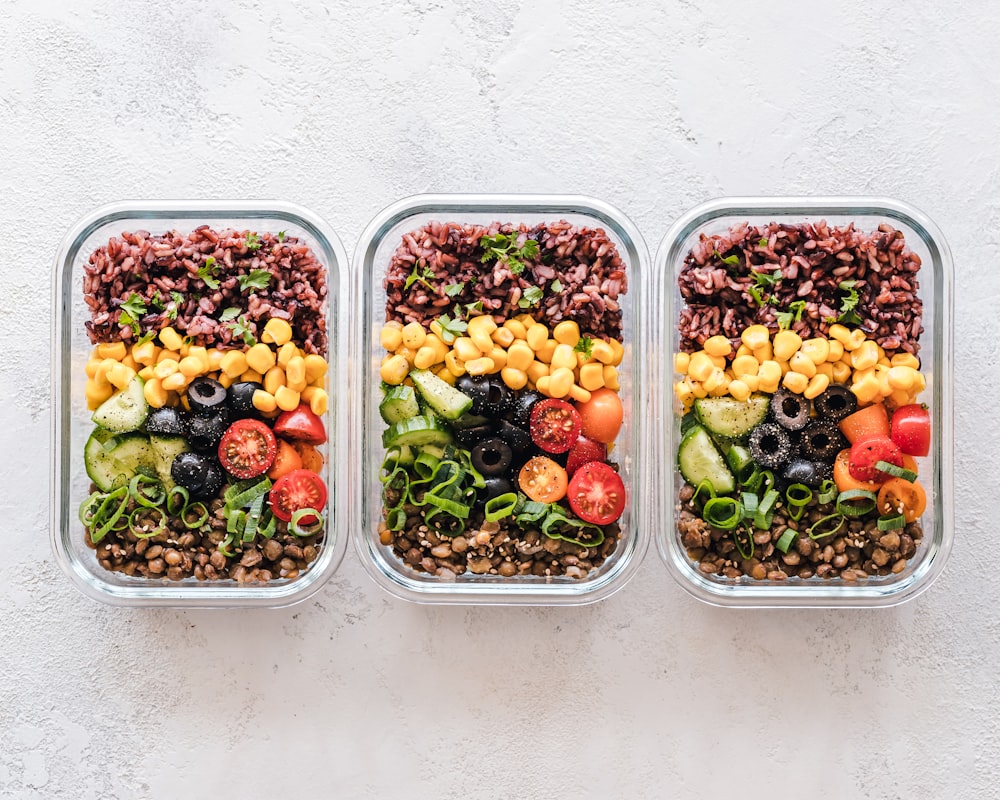
One serving of grains equals one slice of bread, half a cup of cooked rice or pasta, or one cup of ready-to-eat cereal.
- • Bread: one slice
- • Rice/pasta: cupped handful
- • Cereal: closed fist
Vegetable Portions
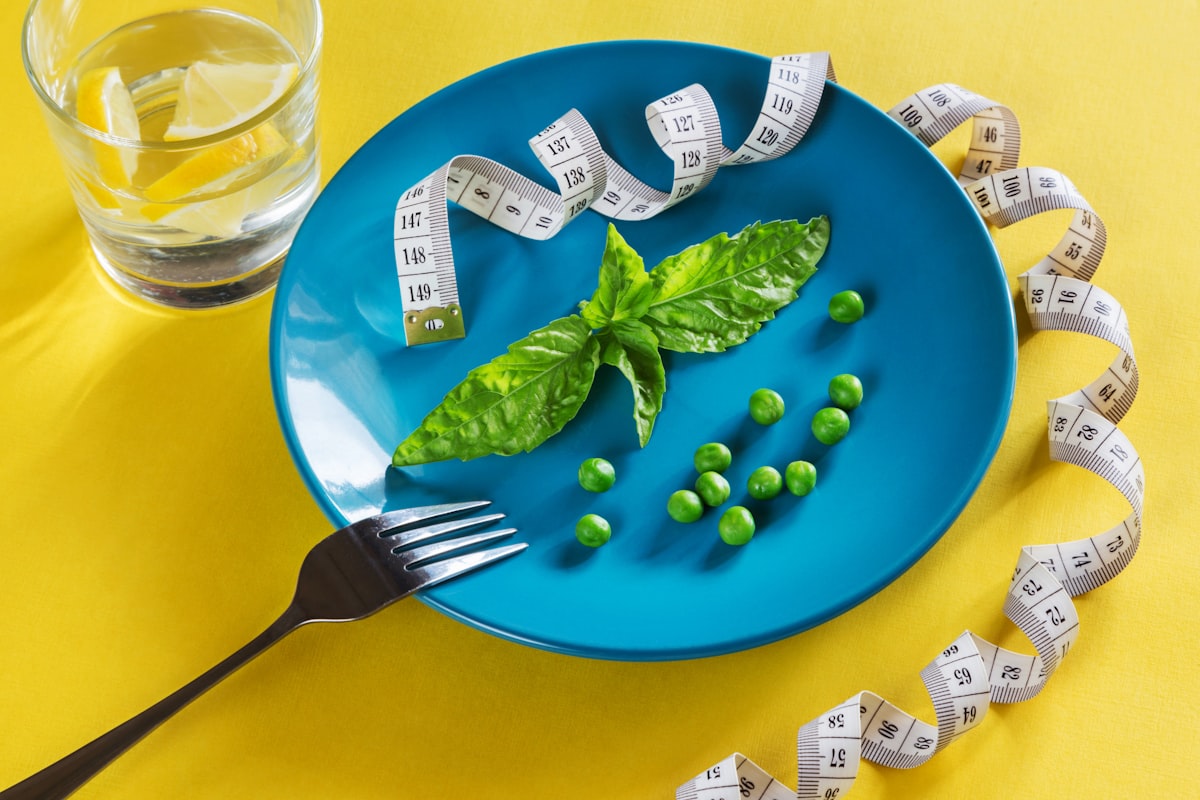
Aim for at least two and a half cups of vegetables daily. One serving of raw vegetables is two cups, cooked is one cup.
- • Raw leafy greens: two cups
- • Cooked vegetables: one cup
- • Veggies on plate: half or more
Fruit Servings
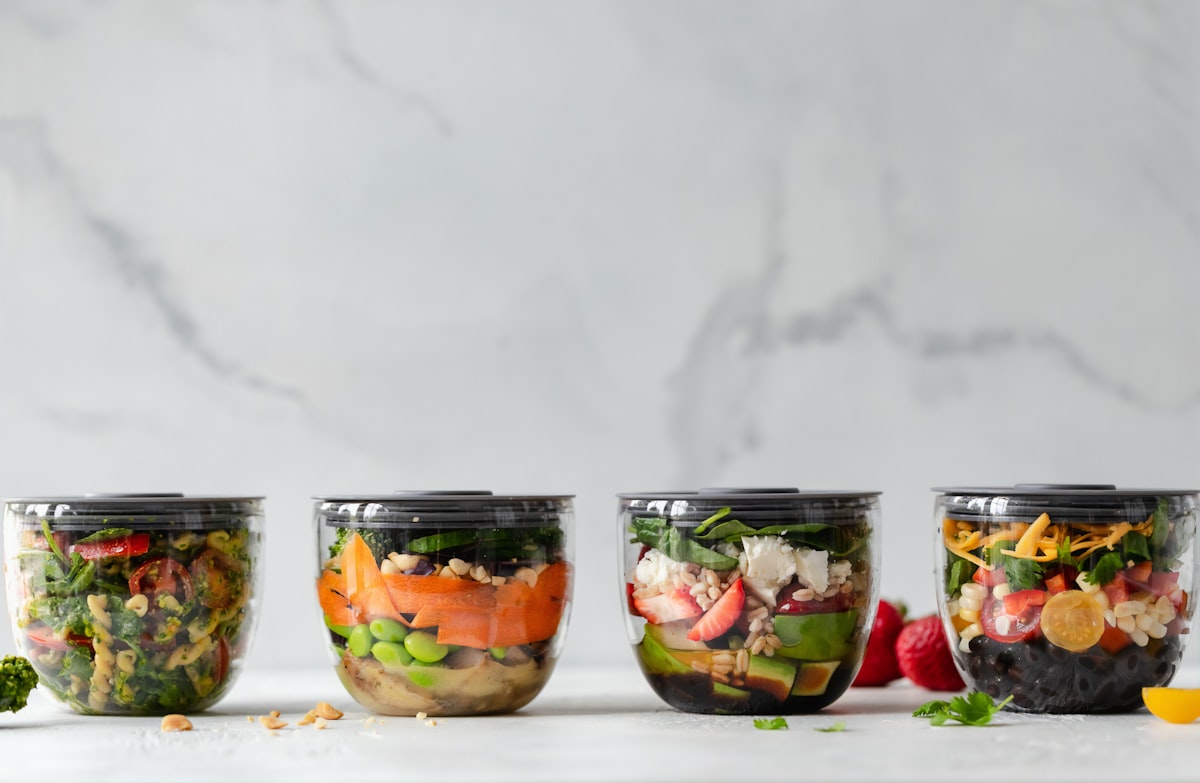
A typical fruit serving is one medium fruit, one cup of berries, or one half cup of dried fruit. Aim for one and a half to two cups daily.
- • Medium apple or orange: one serving
- • Berries: one cup
- • Dried fruit: quarter cup
Dairy Portions
One serving of dairy is one cup of milk or yogurt, or one and a half ounces of cheese about the size of four dice cubes.
- • Milk or yogurt: one cup
- • Cheese: thumbprint size
- • Cottage cheese: half cup

Healthy Fats
Healthy fat servings are small: one tablespoon of oil, two tablespoons of nut butter, or a small handful of nuts or seeds.
- • Oil: thumb tip to knuckle
- • Nuts: small handful
- • Nut butter: two tablespoons
Benefits of Portion Awareness
Understanding proper portions creates tangible improvements across multiple areas of your life and wellness journey.
Stable Energy Throughout the Day
Balanced portions prevent blood sugar spikes and crashes. You maintain consistent energy levels, improved focus, and better productivity from morning through evening without the afternoon slump.
Better Digestive Function
Appropriate portion sizes are easier for your digestive system to process efficiently. You experience less bloating, improved regularity, and reduced digestive discomfort.
Improved Mental Clarity
Proper nutrition from well-portioned meals supports cognitive function. You think more clearly, concentrate better, and experience improved mood stability.
Sustainable, Non-Restrictive Approach
Unlike extreme diets, portion awareness is a flexible, lifelong approach. You enjoy the foods you love in appropriate amounts, making healthy eating enjoyable rather than punishing.
Reduced Food Waste
Understanding portions helps you prepare and purchase appropriate amounts. You waste less food, save money on groceries, and reduce your environmental footprint.
Enhanced Body Awareness
Learning portion control develops deeper awareness of how different foods affect your body. You recognize true hunger versus emotional eating and make choices aligned with your wellbeing.
Stronger Relationship with Food
Portion awareness removes guilt around eating. You develop a balanced, positive relationship with food based on knowledge rather than restriction or shame.
Long-Term Consistency
Because portion control is sustainable and realistic, you maintain it consistently over months and years. This consistency creates compound benefits that accumulate over time.
Common Portion Questions Answered
Clear answers to frequently asked questions about portion sizes, meal planning, and serving recommendations.
Proper portion sizes are defined by official nutrition guidelines from health organizations. A serving is a standardized amount: for example, three ounces of protein, one cup of vegetables, or one slice of bread. These are based on average nutritional needs and serving size research. However, your individual portion needs may differ based on your age, activity level, gender, and health goals. It's a starting point to understand, then adjust based on how you feel.
The easiest approach is learning visual comparisons: your palm for protein, your closed fist for carbs, and filling half your plate with vegetables. These methods don't require measuring cups and work anywhere.
What Our Readers Say
Sarah Anderson
Health & Fitness Enthusiast
"Vitaminwellnessguide transformed my understanding of nutrition. The practical tips and evidence-based advice have helped me maintain consistent energy levels and improve my overall wellness. Highly recommended!"
Michael Johnson
Busy Professional
"As someone with a packed schedule, I appreciate the concise yet comprehensive guides. The meal planning strategies fit perfectly into my lifestyle, and I've noticed significant improvements in my health markers."
Emily Lopez
Wellness Coach
"I recommend Vitaminwellnessguide to all my clients. The science-backed content and practical recommendations make it easy for people to make sustainable lifestyle changes. A fantastic resource!"
David Rodriguez
Weight Loss Success Story
"Following the nutrition guidelines from Vitaminwellnessguide, I've lost significant weight in six months without feeling deprived. The holistic approach to wellness is exactly what I needed."
Start Your Wellness Journey Today
Join thousands of readers who are transforming their health with science-backed nutrition and wellness advice. Get access to exclusive guides, meal plans, and expert tips delivered straight to your inbox.
No spam. Unsubscribe anytime. Your wellness, our priority.
Vitaminwellnessguide
Your trusted source for science-backed nutrition, wellness tips, and healthy lifestyle guidance.
Quick Links
Resources
© 2024 Vitaminwellnessguide – VAT: GB551 8758 92. All rights reserved.
Disclaimer: The information on this site is for educational purposes only and should not replace professional medical advice. Always consult with a healthcare provider before making significant dietary changes.